Project Overview
Challenge
Emirates SkyCargo’s website had an outdated design that lacked user-centric features, causing frustration among users and negatively impacting conversions. The challenge was to redesign the website to provide a seamless, user-friendly experience while improving operational efficiency.
My Role
As Lead UX Designer, I was responsible for user research, journey mapping, designing wireframes, and leading usability testing. I aimed to align user goals with business objectives and create a platform that could scale with Emirates SkyCargo’s growth.
Approach
• Conducted extensive stakeholder and user interviews to uncover pain points and expectations.
• Redesigned the information architecture and user flows to improve navigation and ease of use.
• Developed a comprehensive usability testing plan to ensure continuous iterations.
Outcome
25% Increase in User Engagement
With simplified forms and clearer navigation, more users completed inquiries and engaged with the site’s features.
30% Rise in Mobile Traffic
The responsive design led to a significant boost in mobile usage, proving that users could now seamlessly interact with the platform from any device.
Improved Efficiency
The new user interface allowed for faster interactions, saving users time and fostering trust in the brand.
Business Growth
The enhanced usability and streamlined workflows contributed directly to Emirates SkyCargo’s growth, reinforcing their leadership in the logistics industry.
The Challenge
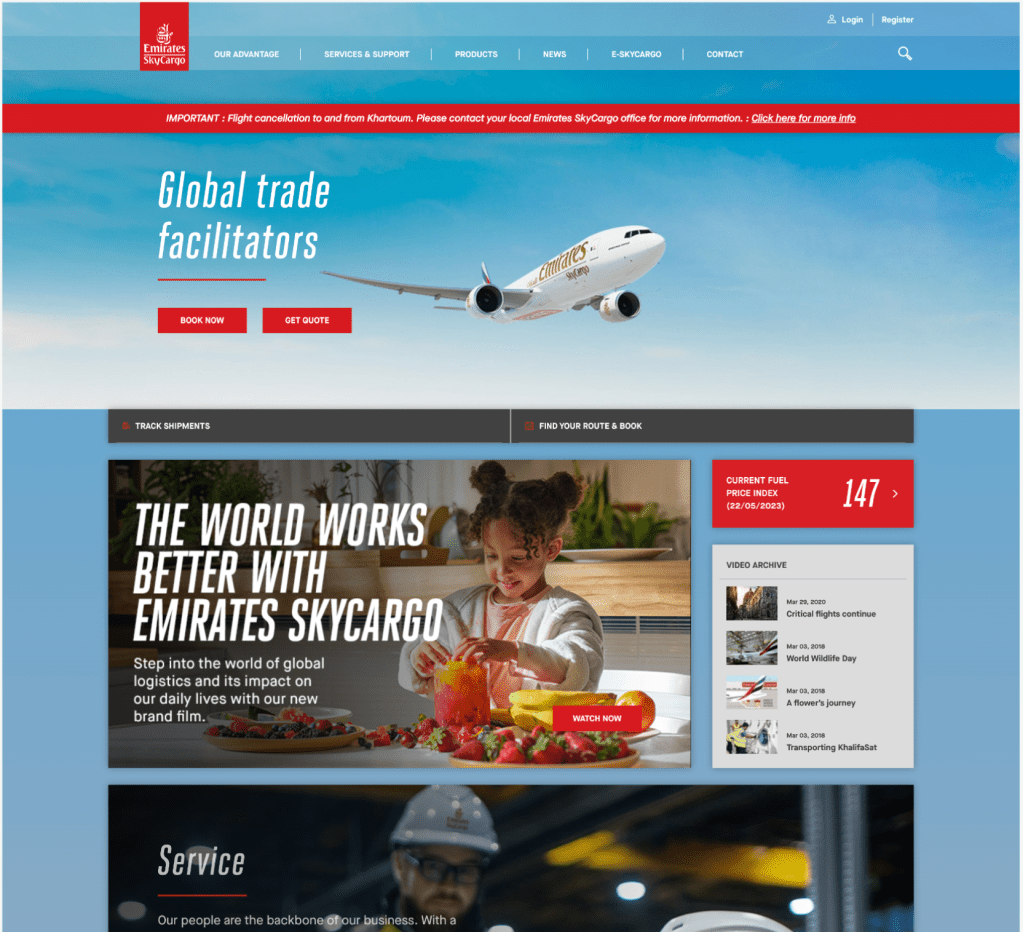
When Emirates SkyCargo approached us, their website was struggling. For a brand synonymous with global logistics excellence, their digital presence wasn’t meeting user expectations. Mobile users found the site cumbersome, navigating through long forms and scattered content. Even seasoned users struggled to find essential information, and the site’s design wasn’t responsive enough to handle different devices.
That’s where I came in as the Senior UX Designer, leading the charge to revamp the entire user experience. My mission? To transform a complicated, non-responsive site into a seamless, user-centered platform that not only improved usability but also drove business growth.
Understanding the Problem
Before diving into solutions, I needed to fully grasp the pain points of both the business and the users. This phase started with deep-dive research:
Stakeholder Interviews
I sat down with key stakeholders to understand their vision for the site and the pain points they were hearing from users.
User Research
Through user interviews and behavioral analysis, we identified the core frustrations: inefficient navigation, complex workflows, and an unresponsive design that led to high drop-off rates, particularly on mobile and tablet devices.
Competitive Benchmarking
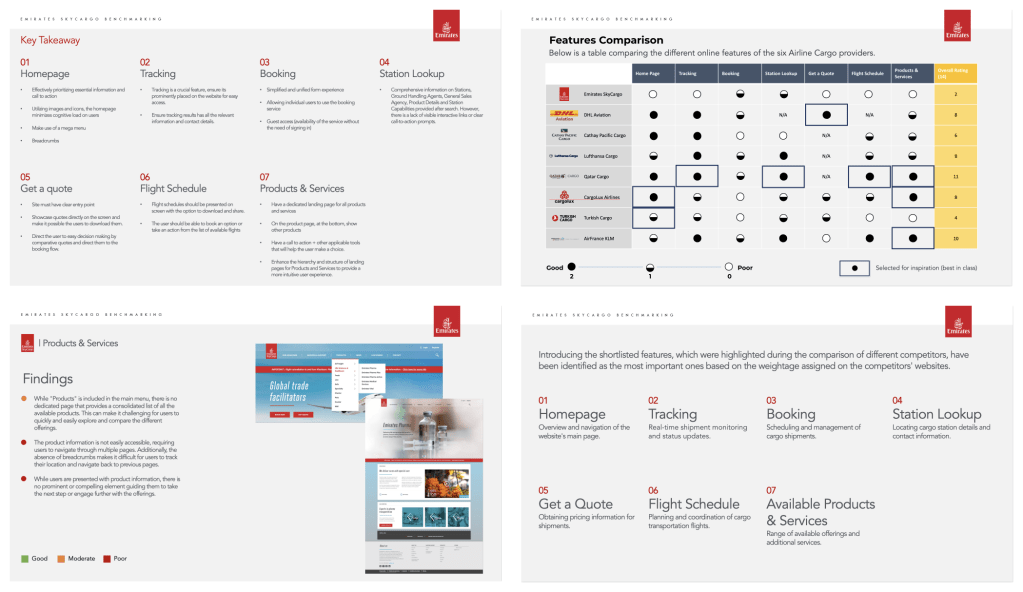
To push our design forward, I studied logistics industry leaders, identifying best practices that could serve as inspiration.
The problems were clear
Users were disengaged, lost in a sea of information, and the site was failing to adapt to the needs of an increasingly mobile-first audience.
Mapping the Path Forward
With insights in hand, it was time to roll up my sleeves and get designing.
Wireframing & Prototyping
I began by sketching low-fidelity wireframes to establish a new, more intuitive information architecture. My goal was simple: users should be able to navigate effortlessly, finding what they need in just a few clicks. I worked closely with stakeholders, iterating on feedback to ensure our vision aligned with business goals.
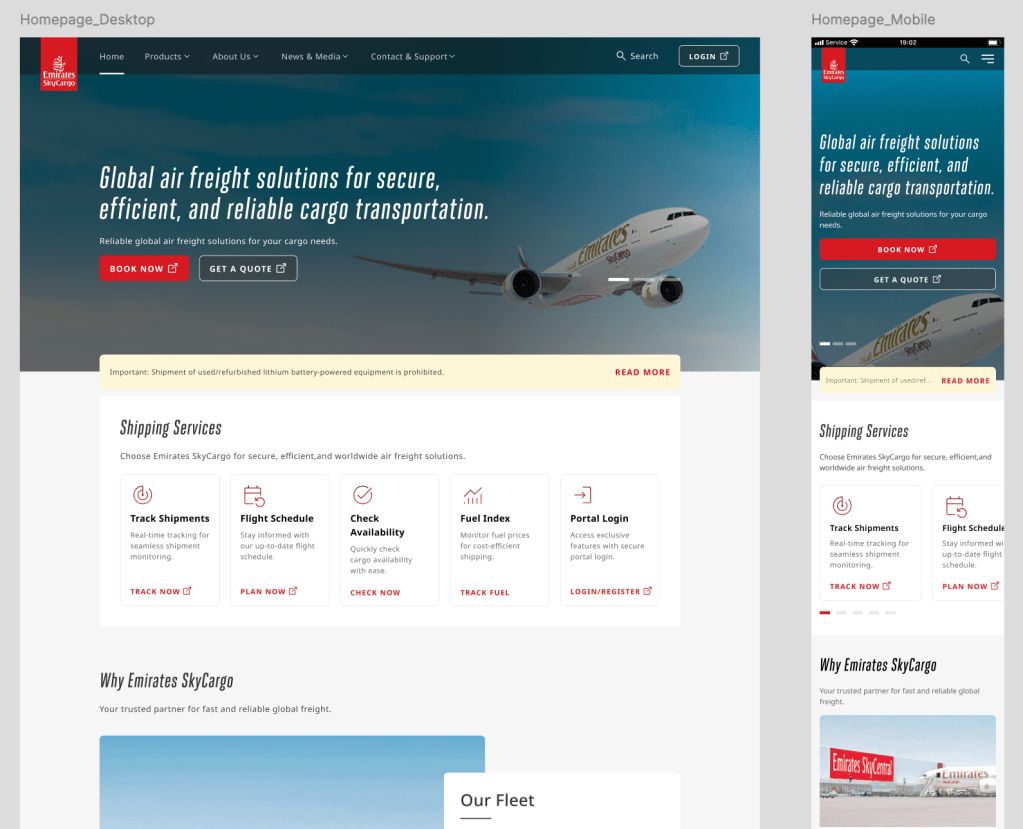
Once the wireframes were approved, I moved to high-fidelity prototypes, ensuring that both mobile and desktop experiences were seamless.
Usability Testing
After building the prototypes, I conducted usability tests with representative users. Their feedback was invaluable. While most praised the new navigation structure, there was a strong call to simplify the booking process even further. We tweaked the flows, reducing the number of steps and making the hierarchy clearer.
A Platform Transformed
The final design was a complete overhaul of the original platform, designed to solve the core problems we uncovered during the research phase:
Fully Responsive Design
The new site adapts flawlessly to mobile, tablet, and desktop, offering users a consistent experience no matter what device they’re on.
Streamlined Booking Process
We simplified the booking flows, reducing friction and making it easier for users to complete inquiries and orders.
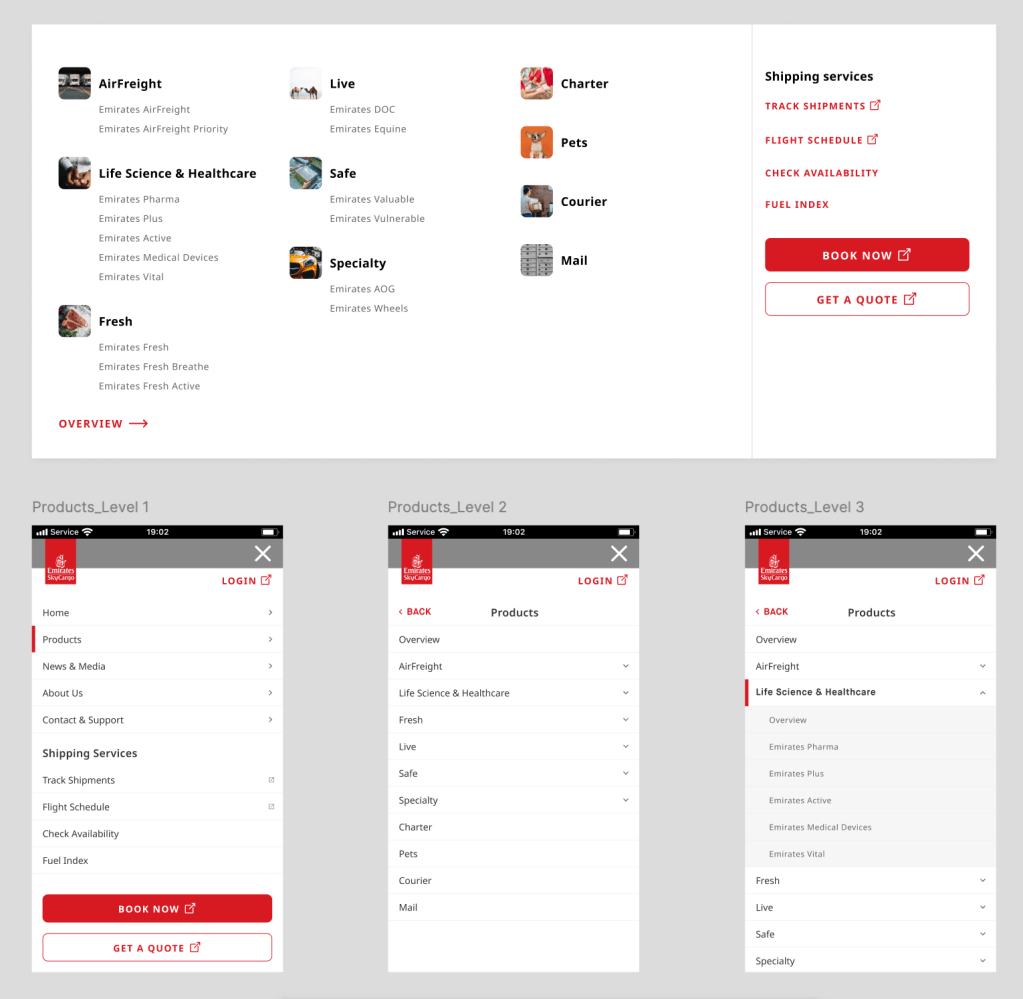
Optimized Information Architecture
With a restructured content layout, users could now easily find shipment tracking, flight schedules, and other key features.
Clear, Intuitive Design
The visual design was clean and user-friendly, with a sharp focus on usability.
Results That Speak Volumes
The redesign didn’t just improve the user experience—it had a profound impact on the business.
25% Increase in User Engagement
With simplified forms and clearer navigation, more users completed inquiries and engaged with the site’s features.
30% Rise in Mobile Traffic
The responsive design led to a significant boost in mobile usage, proving that users could now seamlessly interact with the platform from any device.
Improved Efficiency
The new user interface allowed for faster interactions, saving users time and fostering trust in the brand.
Business Growth
The enhanced usability and streamlined workflows contributed directly to Emirates SkyCargo’s growth, reinforcing their leadership in the logistics industry.
Key Takeaways
This project was a powerful reminder of the importance of user-centered design in delivering business results. By aligning stakeholder goals with user needs, we were able to deliver a solution that not only improved the experience but also helped drive business growth. The success of this redesign was a testament to the power of research-driven design and cross-functional collaboration.
Tools & Methods
Design Tools
Figma, Miro, Powerpoint
Research Methods
Stakeholder interviews, user interviews, competitive analysis
Prototyping
Low- and high-fidelity wireframes
Testing
Usability testing, iterative feedback loops
Development Collaboration
Agile methodology, cross-functional teamwork

