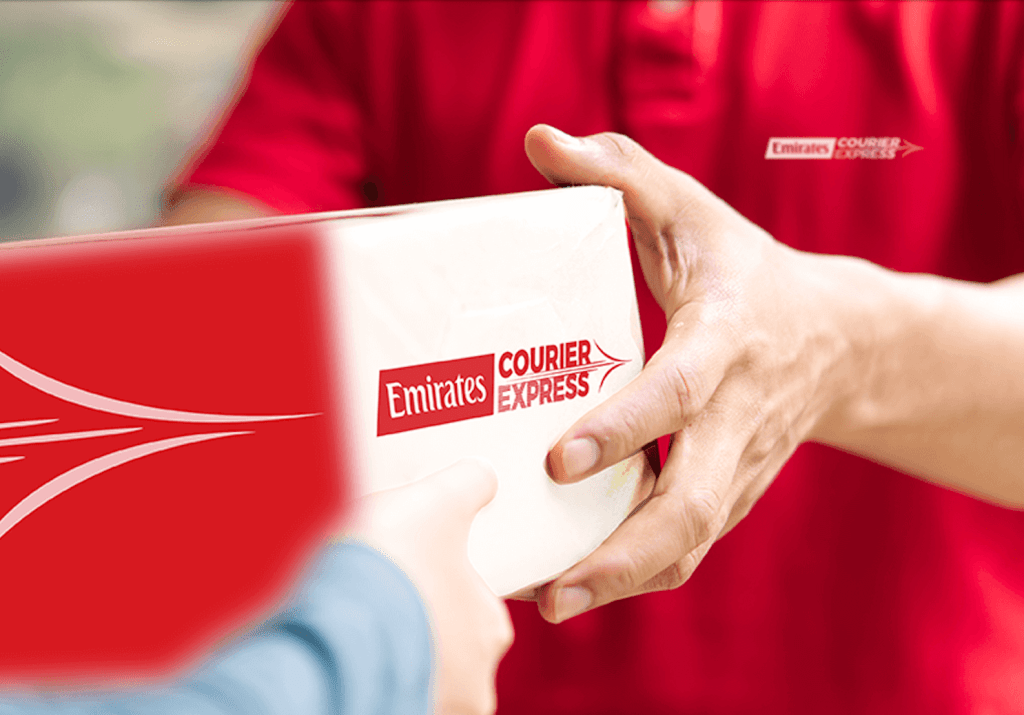
Project Overview
Challenge
Emirates sought to enter the door-to-door delivery space with Courier Xpress, but lacked an existing platform. The challenge was to create a digital solution from scratch that could handle complex logistics while providing an easy, intuitive experience for both senders and recipients.
My Role
As Lead UX Designer, I was responsible for overseeing the project from research to delivery. I conducted in-depth user research, created personas, and led the design of the information architecture, wireframes, and high-fidelity prototypes.
Approach
• Comprehensive discovery phase to understand user needs and business goals.
• Developed a scalable information architecture to handle diverse logistics requirements.
• Designed and tested interactive prototypes to ensure ease of use for various customer types.
Outcome
• Created a user-friendly platform that simplified complex logistics processes for both customers and business operations.
• Increased customer satisfaction due to the intuitive interface and clear tracking system.
• Positioned Courier Xpress to scale its services efficiently, allowing for future growth and feature expansion.
The Challenge
In an era of rapid delivery services and increasing competition in the logistics space, Emirates recognized a golden opportunity. Leveraging its global flight network, the airline set out to create Emirates Courier Xpress, a premium door-to-door delivery service that could tap into both B2B and B2C markets. This wasn’t just about offering fast shipping—it was about crafting an exceptional, end-to-end experience that embodied Emirates’ trusted brand while simplifying logistics for diverse users.
I was brought in as the Lead UX Designer to lead the charge. My mission was clear: develop a user-centered platform that would deliver a seamless experience for everyone from corporate clients managing bulk shipments to individuals sending personal packages. The challenge was to design for diverse user needs while integrating Emirates’ premium service promise into the digital platform.
Navigating Complexity with Clarity
My role was to translate a complex, multi-layered logistics operation into a simple, intuitive digital experience. To achieve this, I:
Conducted In-Depth User Research
I spent time with corporate clients, SMEs, and individual customers to understand their pain points and needs. This research uncovered valuable insights into issues like transparency in delivery timelines, flexible delivery options, and the need for clear communication throughout the process.
Aligned Stakeholder Goals with User Needs
Through extensive interviews with Emirates’ business leaders, I clarified the strategic goals for Courier Xpress and ensured that user needs were always front and center.
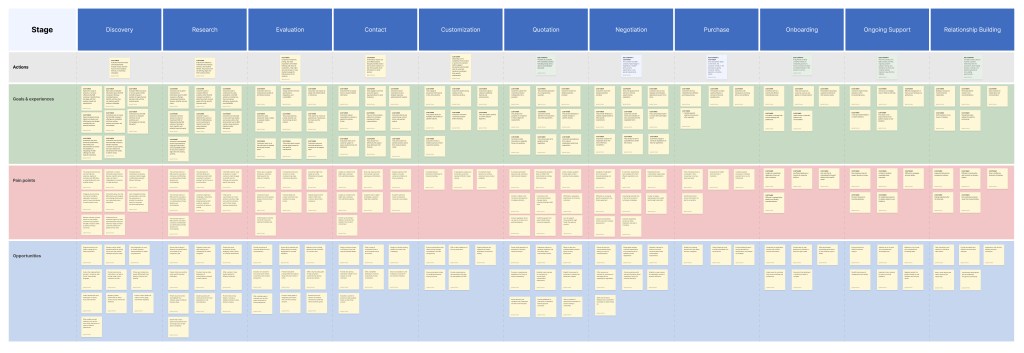
Created Personas & User Journey Maps
Using the insights from our research, I developed personas representing key user groups and mapped their journey from the moment they place an order to when their package is delivered.
Designed & Tested Prototypes
I led the design of wireframes and high-fidelity prototypes, followed by usability testing with real users. This allowed us to refine the platform iteratively, ensuring that we addressed both the needs of the business and the expectations of the user.
From Insights to Design
Discovery Phase
The project began with deep user research. I engaged with a wide range of customers, from corporate executives managing high-volume shipments to everyday users sending personal packages. What stood out in these interviews was the need for clarity—users wanted to know where their package was at all times and wanted flexibility when it came to delivery options.
But it wasn’t just about tracking and delivery. For Emirates’ corporate clients, shipment reliability was critical. For individual users, it was about convenience and communication. Armed with these insights, I crafted personas that would guide the design of a solution tailored to their specific needs.
Aligning Business with User Goals
Next came the crucial task of aligning Emirates’ business objectives with the expectations of the users. Emirates wanted to showcase their strengths—speed, reliability, and a premium service experience—while providing an easy-to-use digital interface. Through stakeholder interviews, I ensured that every design decision was in harmony with these objectives.
Mapping the Journey
With both user and business goals in hand, I embarked on journey mapping. This process allowed me to visualize the entire user experience, identifying critical touchpoints and potential pain points. By mapping out the steps users take, from placing an order to receiving a package, I identified opportunities to streamline the process and reduce friction, ensuring that each interaction was as seamless as possible.
Information Architecture
The logistics behind Emirates Courier Xpress are intricate, but the user experience needed to be anything but. I developed a clear and intuitive information architecture that allowed users to navigate the platform effortlessly. Whether they needed to track a shipment, manage returns, or adjust delivery preferences, the system was designed to make these tasks simple and straightforward.
Design & Iteration
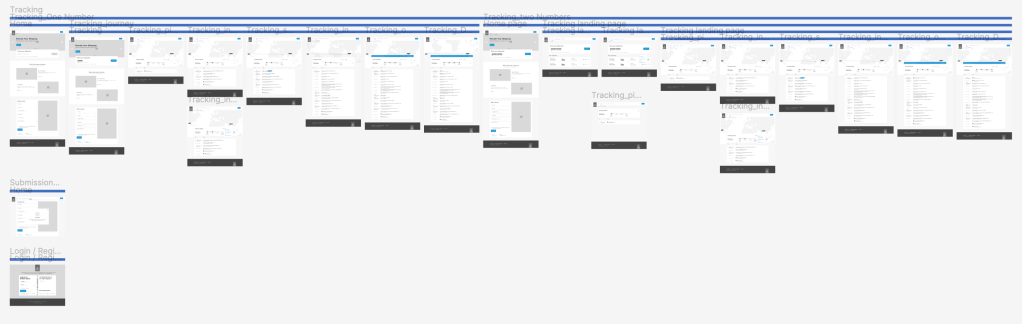
With the foundation set, it was time to bring the experience to life. I created wireframes and then moved into high-fidelity prototypes that showcased the core features of the platform: real-time tracking, flexible delivery options, and seamless navigation.
Throughout the design process, I conducted usability testing with real users, gathering feedback and iterating on the designs. These iterative cycles allowed me to refine the user interface and ensure that it was intuitive, functional, and aligned with Emirates’ brand values.
One key learning during testing was that users appreciated a sense of control over their deliveries. By integrating flexible delivery options—such as changing delivery windows or locations—into the platform, we significantly increased user satisfaction.
The Solution
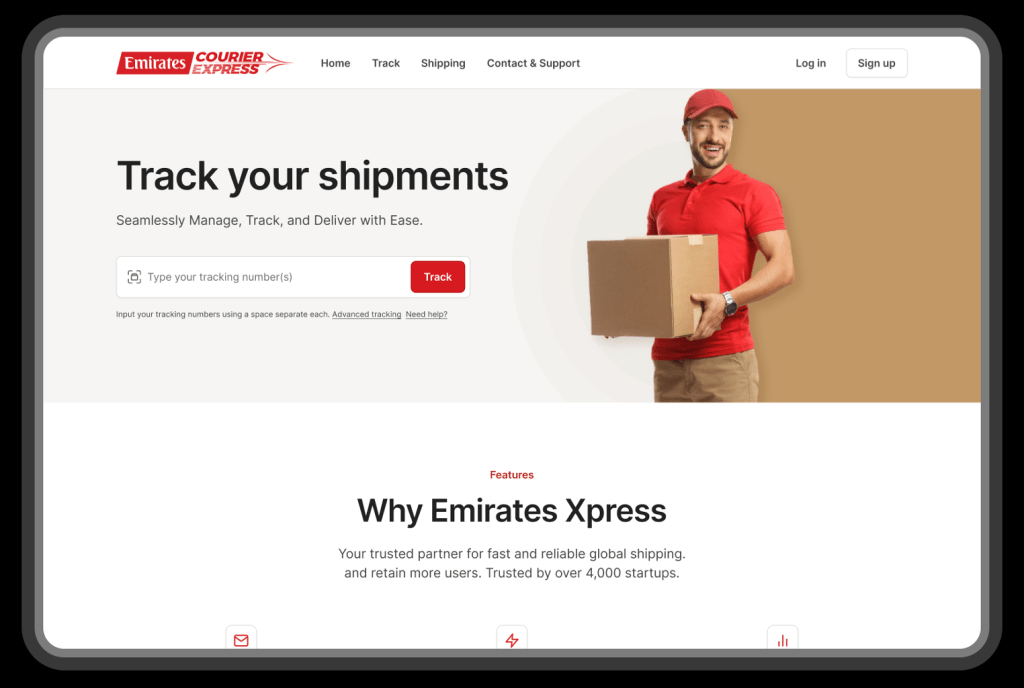
The final product was a user-centric platform that balanced functionality with a premium user experience. Key features included:
Real-Time Tracking
Users could track their shipments with precision, receiving updates at every step of the delivery journey.
Flexible Delivery Options
Customers could adjust their delivery preferences on the go, choosing the time and location that worked best for them.
Seamless User Interface
With a clean and intuitive layout, users—from corporate clients to individuals—could easily navigate the platform, making tracking and managing shipments effortless.
Tailored Experiences for Different Segments Whether managing bulk orders or shipping a single package, the platform delivered a tailored experience that met the unique needs of each user segment.
The Results
The launch of Emirates Courier Xpress was a resounding success. The platform’s intuitive design, grounded in user research and a strong information architecture, allowed it to stand out in the competitive express logistics market.
Seamless User Flows
The platform’s design ensured that users could accomplish their goals quickly and easily, whether they were tracking a shipment or updating their delivery preferences.
Ready for Scale
The platform was designed to scale, allowing Emirates to easily adapt it for new markets and user segments without additional development overhead.
Positioned for Market Leadership
With its premium design and seamless functionality, Emirates Courier Xpress is well-positioned to capture a significant share of the express logistics market, providing a service that stands out for its speed, reliability, and user-friendly experience.
Reflections
This project was a testament to the power of UX in shaping not just a product, but a brand’s ability to connect with its customers. By focusing on the user journey and keeping both business goals and user needs at the heart of every decision, we were able to deliver a solution that exceeded expectations.
The success of Emirates Courier Xpress reinforced the importance of user-centered design, particularly in industries as complex as logistics. Through careful research, clear communication, and iterative design, we created a platform that was both powerful and simple to use—delivering a truly premium experience.
Tools & Methods Used
Research & Strategy
User interviews, stakeholder workshops, journey mapping
Design Tools
Figma, Miro
Prototyping & Testing
Wireframes, high-fidelity prototypes, usability testing
Collaboration
Cross-functional teamwork with developers, product managers, business stakeholders and UI designers.
 Ignatius Ferreira (UX)